
Our 38 churches › Wy-dit-Joli-Village

Patron saint
Saint Romanus
Bishop of Rouen in the 7th century
Liturgical feast
23 October
parish pilgrimage on a Sunday in October
Historic monument
Listed (1981)
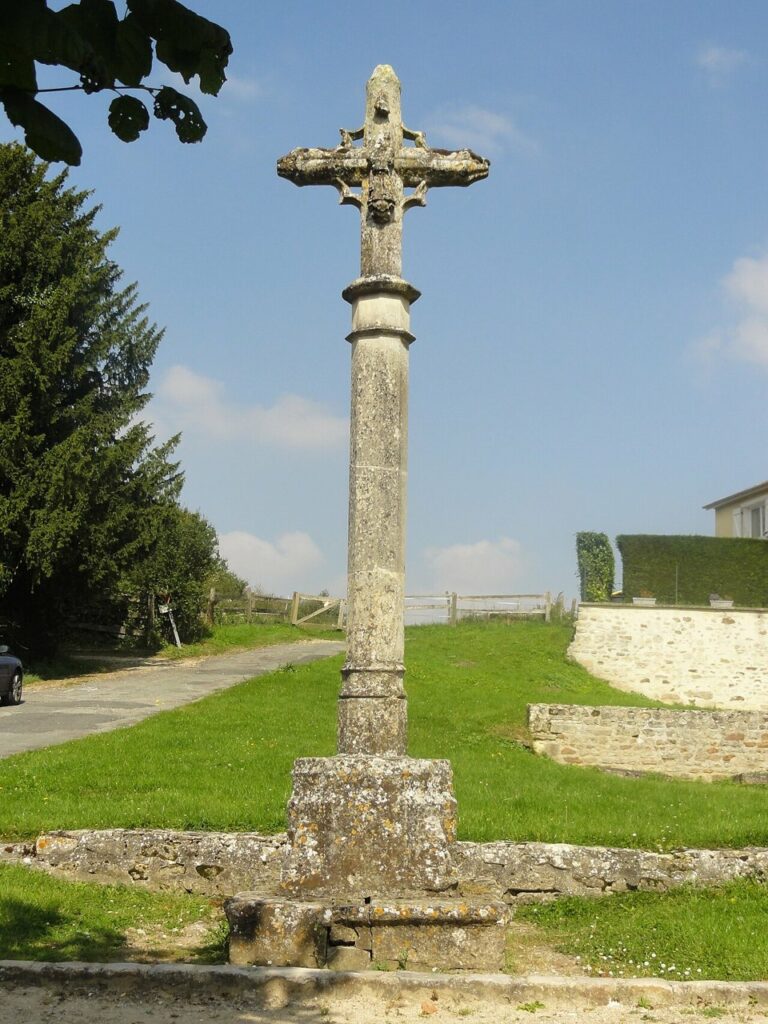
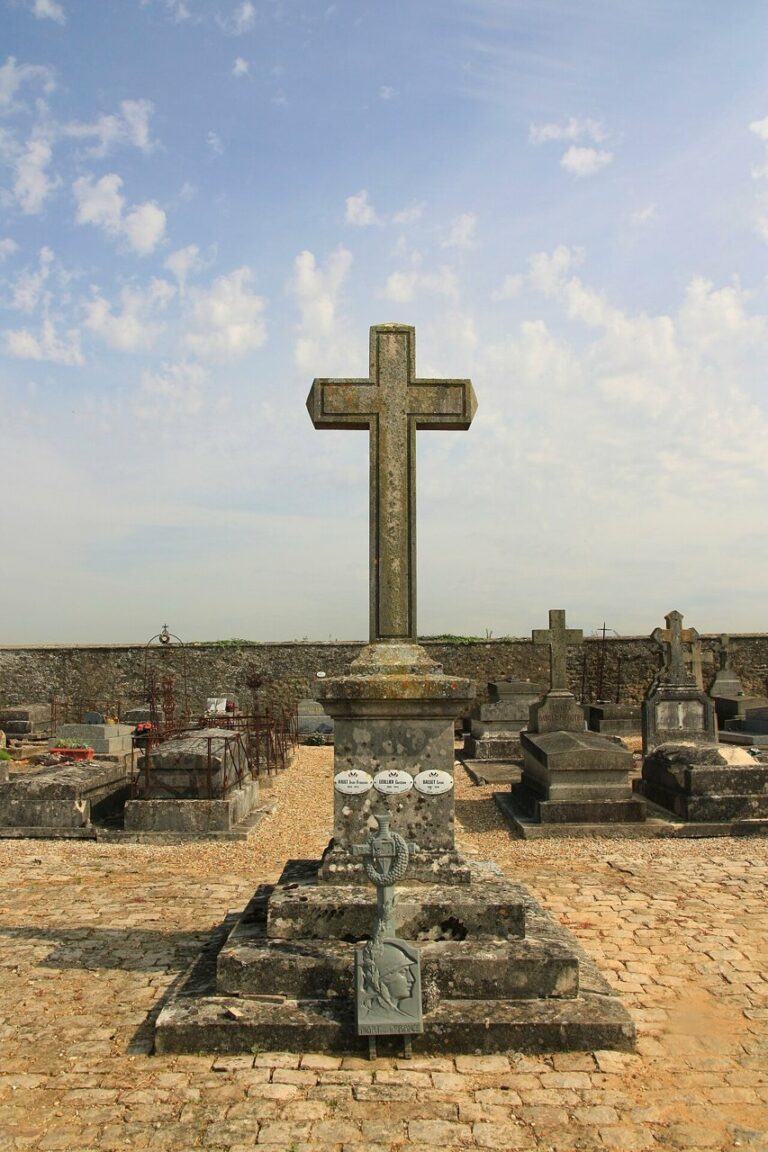
churchyard cross listed; 8 protected works
Address
Rue Saint-Romain, 95420 Wy-dit-Joli-Village
Directions
Upcoming Masses
- Saturday 2 January, 6:00 pm
- Saturday 13 February, 6:00 pm
In the footsteps of Saint Romanus
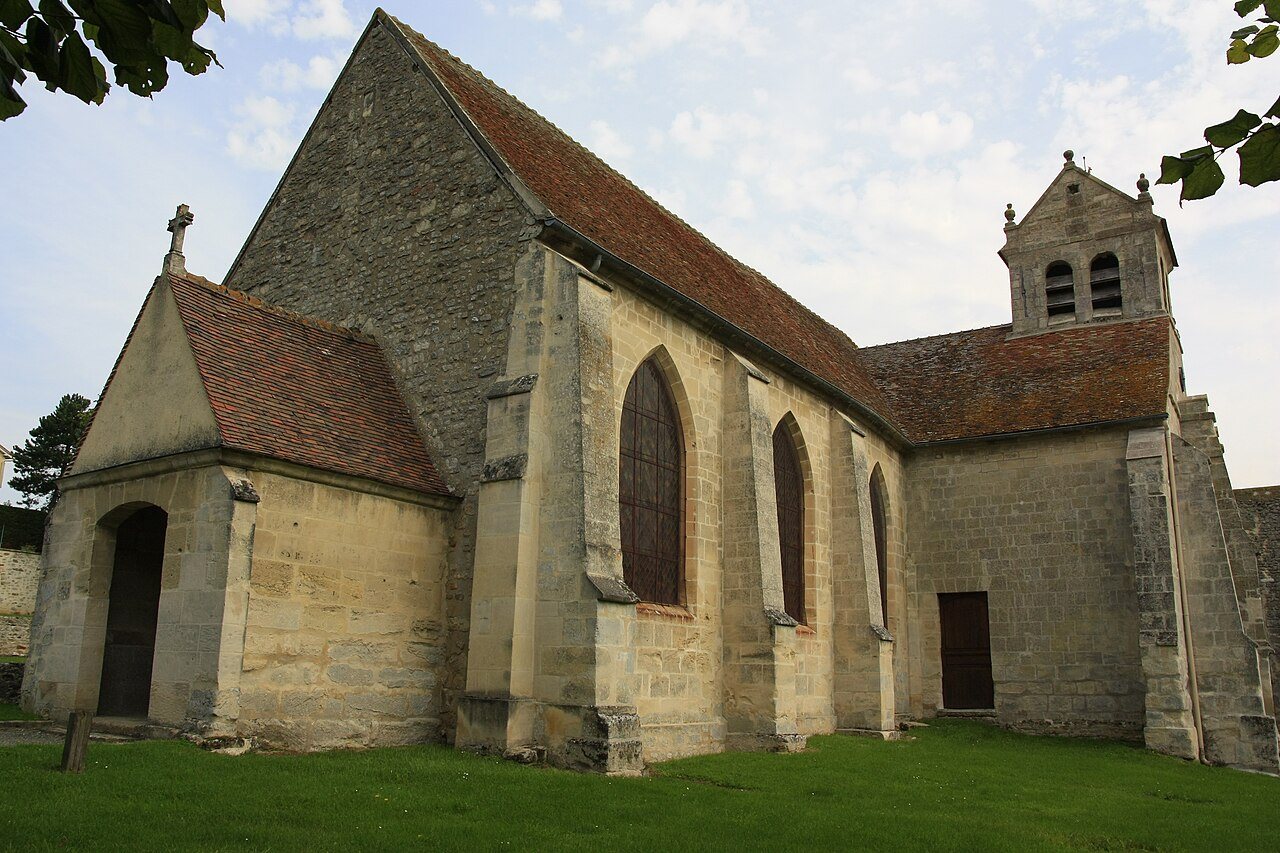
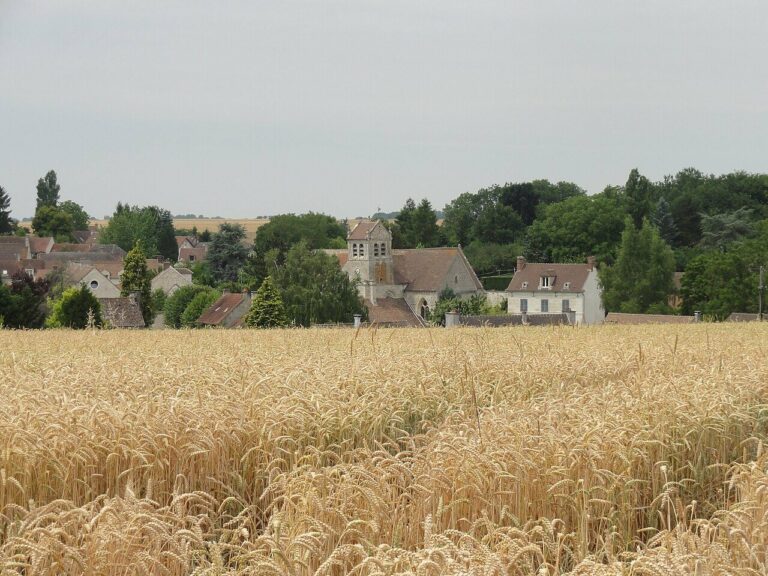
At the end of the Rue Saint-Romain, the church of Wy-dit-Joli-Village presents a picturesque outline, made up of volumes from every period. Tradition relates that Saint Romanus (Romain), the future Bishop of Rouen, was born nearby, at the Château des Rochettes, and founded a first church here around 625.
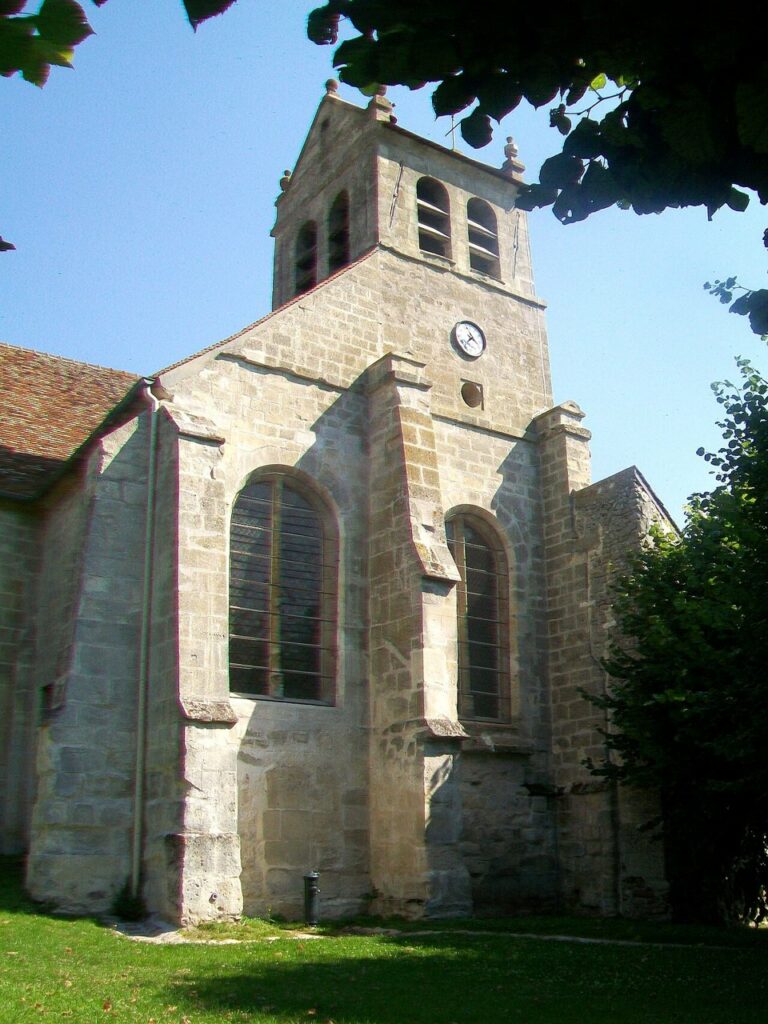
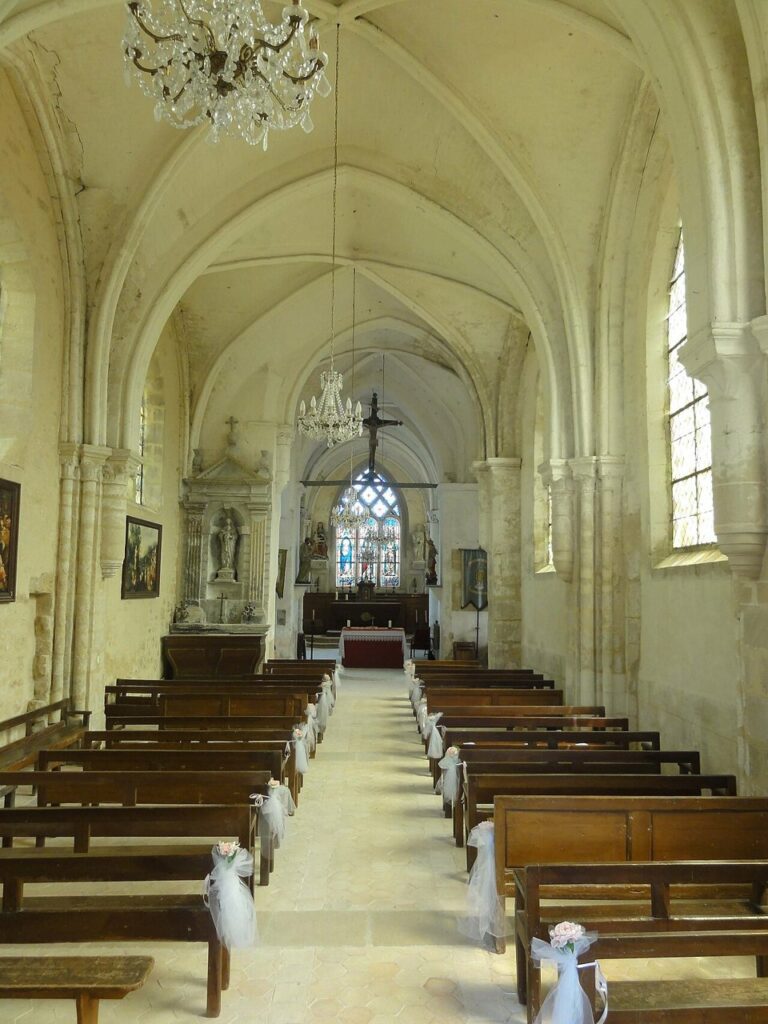
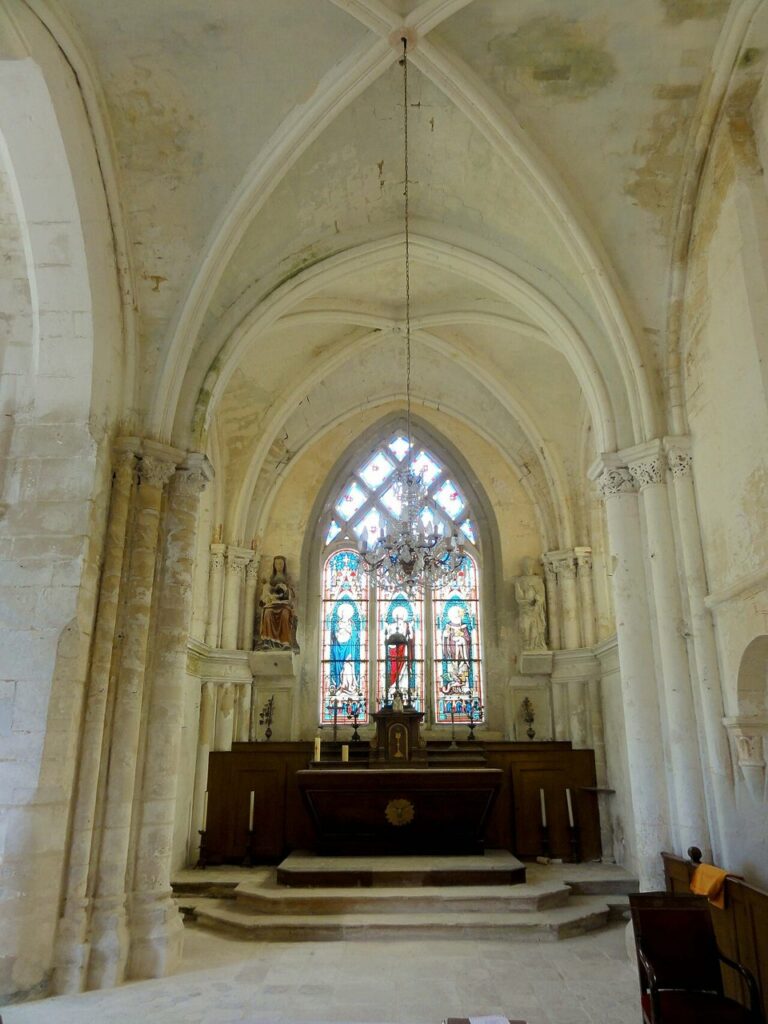
The oldest parts of the present building date from the turn of the 11th and 12th centuries; its chancel and nave, rib-vaulted with finely carved capitals, are surprisingly accomplished for such a modest church. Archbishop Eudes Rigaud consecrated it in 1255. A Flamboyant chapel was added on the north side after the Hundred Years' War, and the present bell tower was rebuilt from 1695 onwards, after the old one collapsed.
A curious detail: in the mid-13th century, the register of parishes of the Archbishop of Rouen records the church under the name of Sainte-Marie alone. It then had about eighty parishioners, and it was the canons of Rouen holding the prebends of Wy who presented its parish priest.
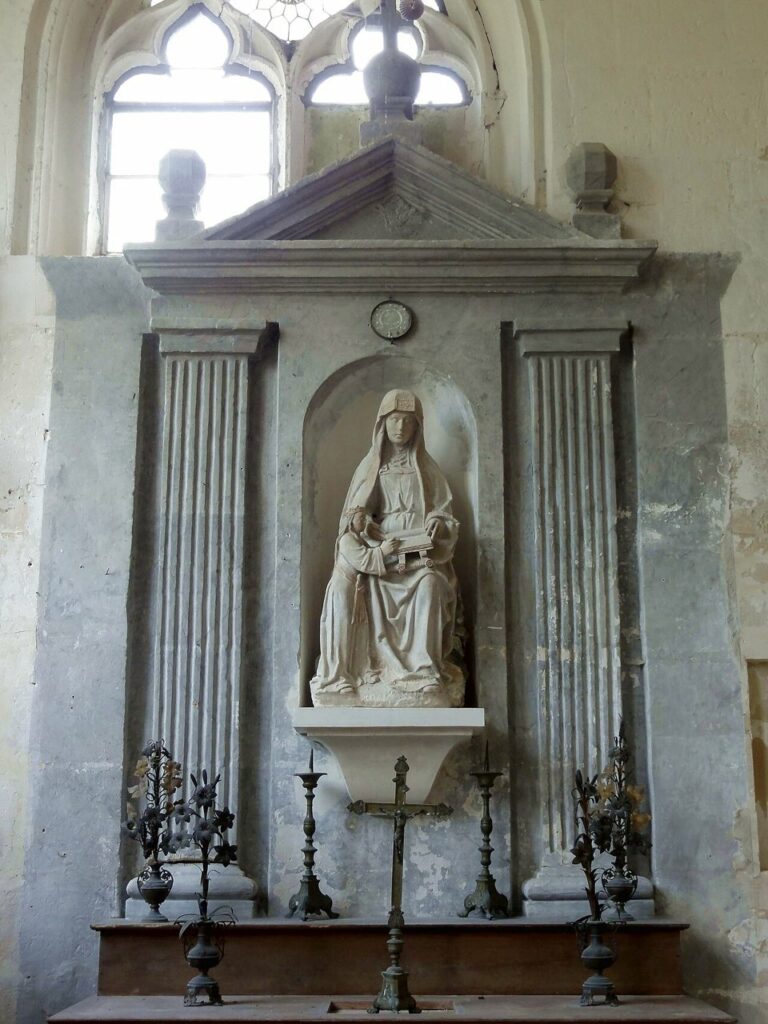
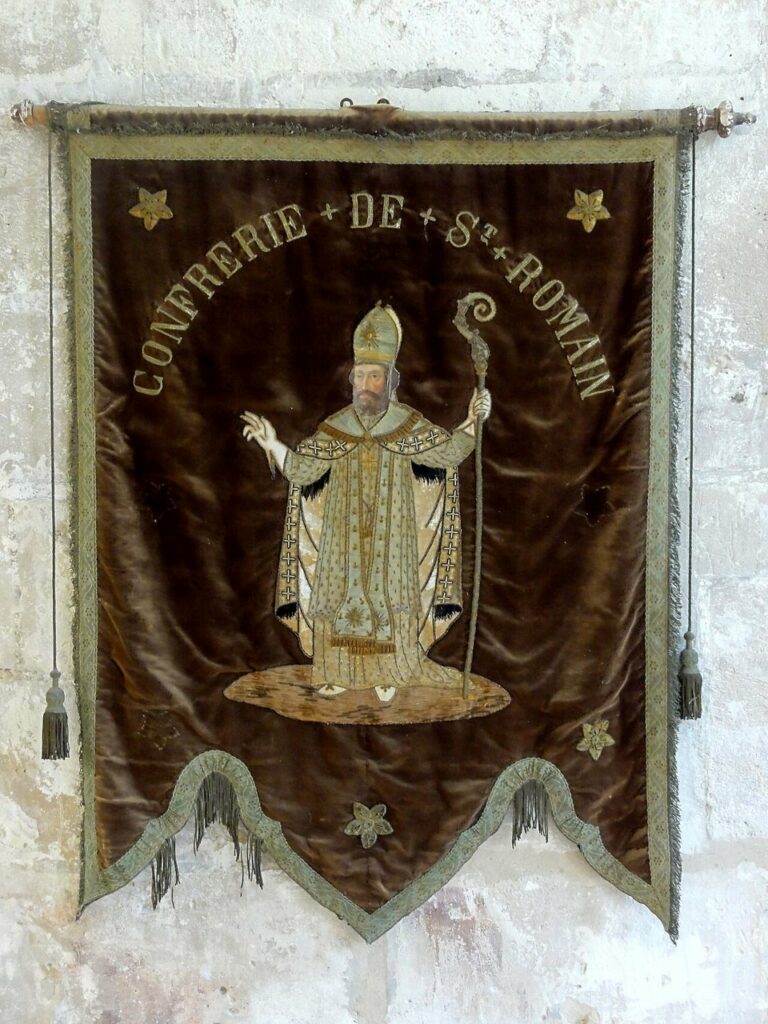
Listed as a historic monument in 1981, the church keeps rich furnishings, including a statue of Saint Romanus giving a blessing, a group of the Education of the Virgin and the banners of the Confraternity of Saint-Romain, founded in 1790. Other listed works, including a Saint Romanus holding his famous “gargouille”, a seated Virgin and two 17th-century paintings, have been removed from the church for safekeeping.
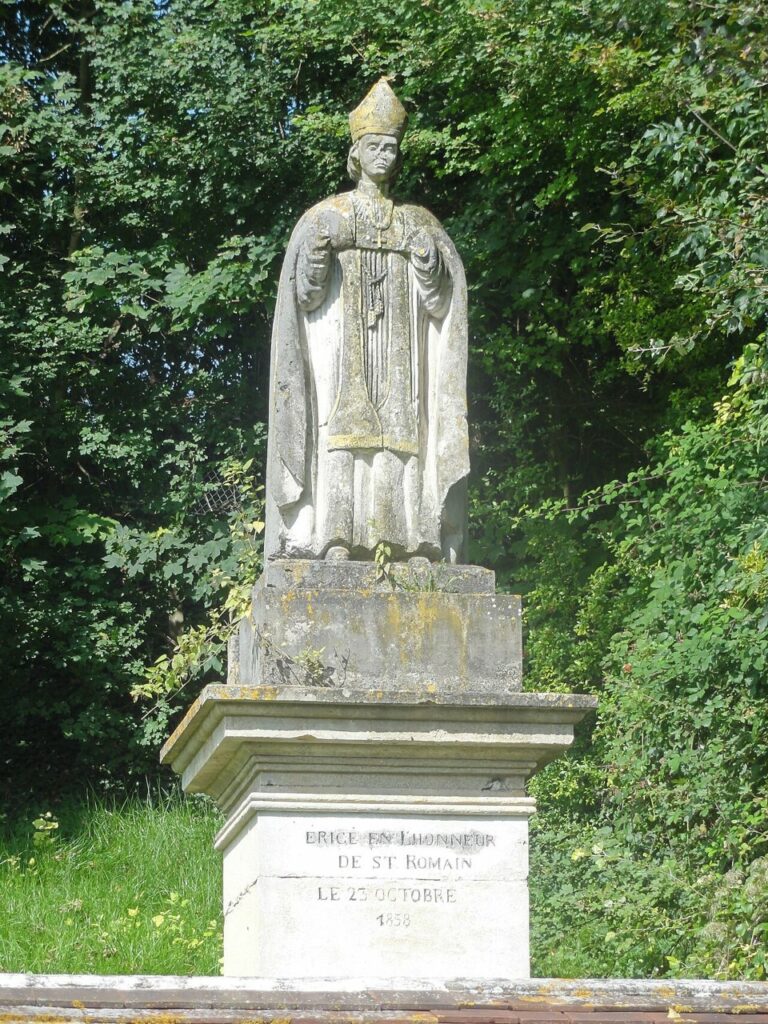
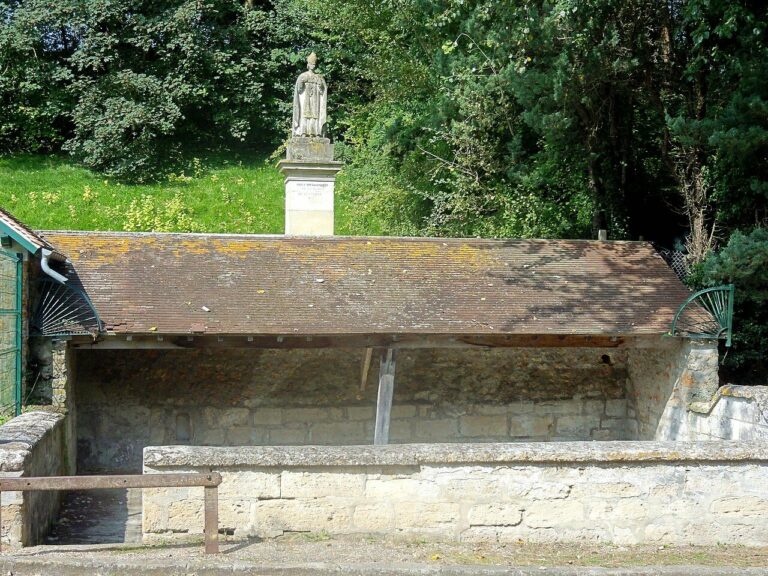
In former times, on 23 October, a great procession led the faithful to the saint's spring, whose water was believed to cure eye complaints and colds. Today, every year on a Sunday in October, the Saint-Romain pilgrimage brings the whole parish together in Wy and ends with a blessing at the spring.
Saint Romanus, patron saint of the church
Born into the Gallo-Roman aristocracy and educated at the court of King Clotaire II, Romanus became Bishop of Rouen around 626 and died around 639; he is the patron saint of Rouen. The legend of the “gargouille”, a dragon he is said to have tamed, appears only in the 14th century. According to a local tradition, already recorded in the 17th century, he was born in Wy, at the Château des Rochettes. For centuries, the chapter of Rouen Cathedral was lord of the village and appointed its parish priests.
Key dates
- c. 625According to tradition, Saint Romanus founds a first church
- 11th–12th centuryConstruction of the oldest parts, then of the rib-vaulted chancel
- 1255Consecration of the church by Eudes Rigaud, Archbishop of Rouen
- Late 15th–16th centuryConstruction of the Flamboyant chapel on the north side
- 1695The bell tower is rebuilt after the old one collapses
- 1790Founding of the Confraternity of Saint-Romain
- 1817Blessing of three bells
- 1981Listed as a historic monument
In pictures














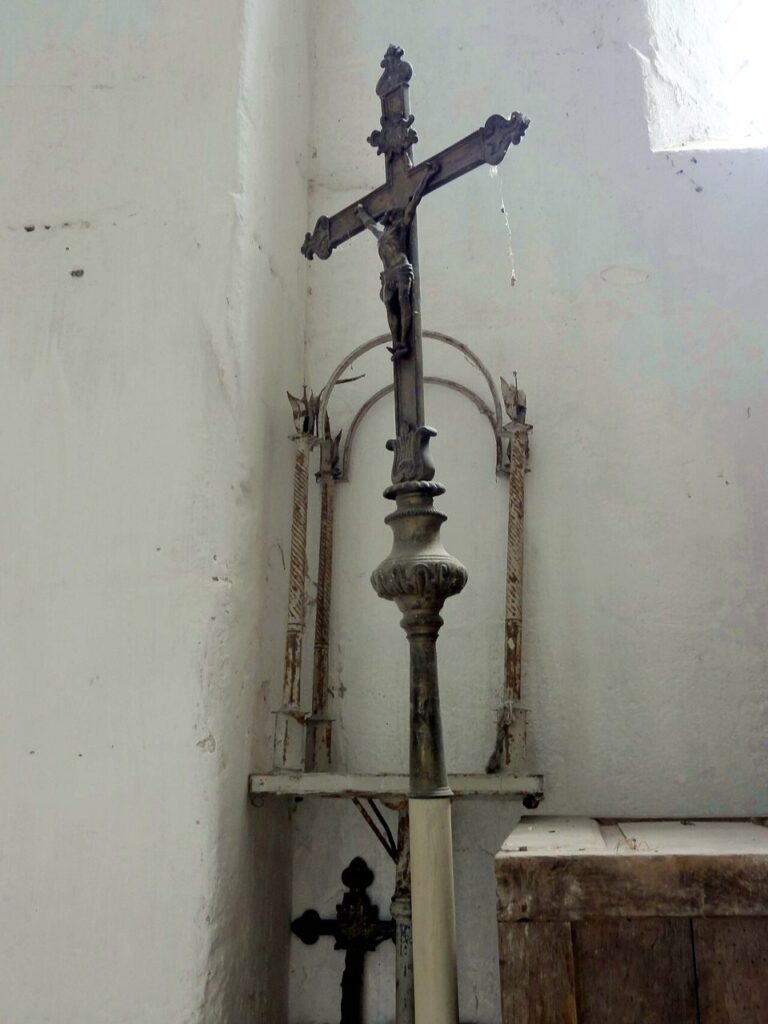

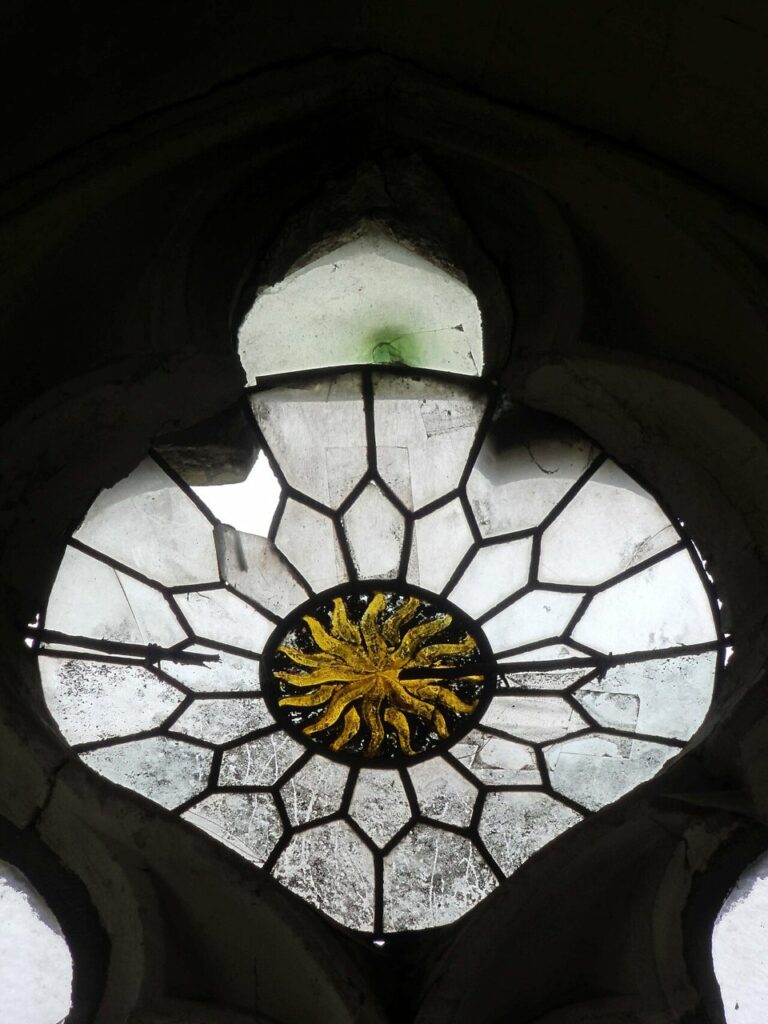

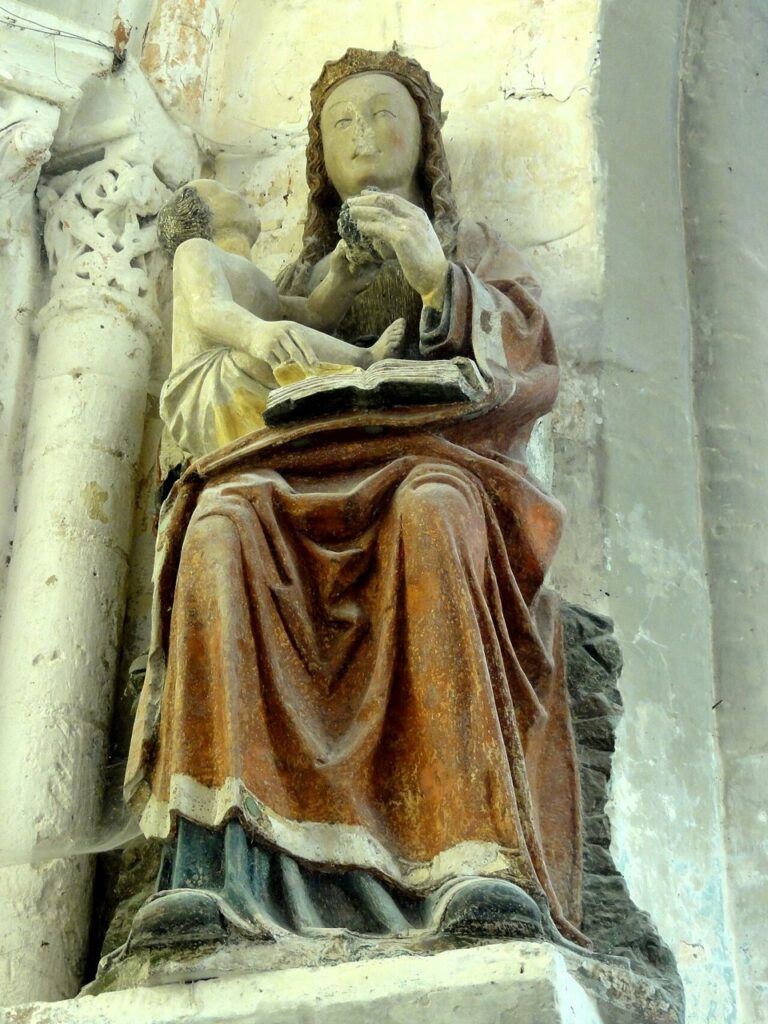

The church’s treasures
- Saint Romanus giving a blessing: Polychrome stone statue, late 15th – early 16th century (registered)
- Education of the Virgin: Polychrome stone group, mid-16th century (registered)
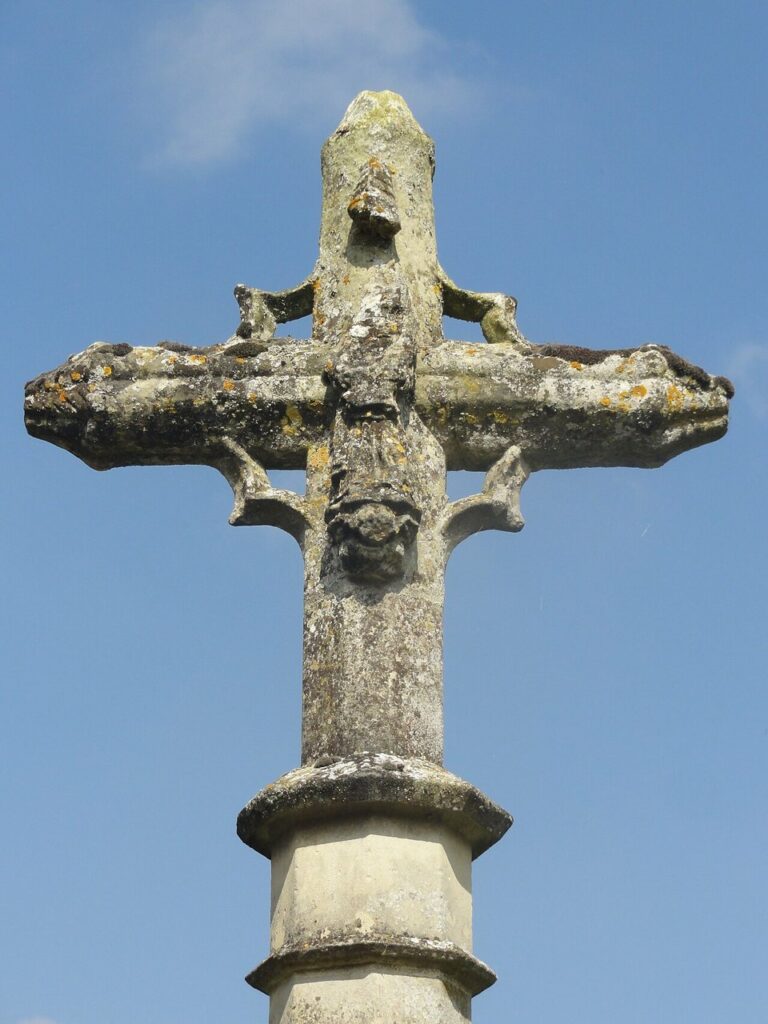
- Churchyard cross: 15th century, in front of the church (listed)
- Painted hearse: Late 19th – early 20th century, it was also used to store the confraternity staffs (registered)
- Confraternity banners: Mementoes of the Confraternity of Saint-Romain, founded in 1790
Further reading
Other photos and documents about this church can be found on other websites; we cannot reproduce them all here, but you can look at them there:
- Wikimedia Commons: freely licensed photos of the churchMore than 70 freely licensed photos: the church in the village, apse and scrollwork frieze; interior (former base of the bell tower, side chapels, graffiti) and exteriors.
- Wikipédia: article on the churchVery comprehensive article: history of the parish, construction, description, statues, paintings, inscriptions; more than 80 illustrations and 56 references.
- Ministère de la Culture (POP): record and photos of the churchRecord of the church, listed in 1981, with 16 photos: bell tower and stair turret, façades, west portal, chancel and capitals (Virgin, Saint Romanus), nave.
- Ministère de la Culture (POP): protected object in the churchPainting of Saint John the Baptist preaching (17th century): 11 photos. 8 protected objects, almost all photographed: statues of Saint Romanus, the Virgin, Salome, a hearse.
- Wy-dit-Joli-Village town hall: the churchTown hall page: origin of the church attributed to Saint Romanus around 625, Merovingian cemetery, consecration of 1255, fall of the bell tower in 1682, bells.
- Wikipédia (German): article on the churchGerman entry (about 370 words): history, bell tower and bells, portal and sculptures of the church, with references to Patrimoine des communes.
Sources for this page
- POP – Mérimée PA00080240, PA00080239 ; Palissy PM95000768 à 771, PM95001248, PM95001461, PM95001613, PM95001699 — link
- Wikipédia, « Église Saint-Romain de Wy-dit-Joli-Village » — link
- Wikipédia, « Wy-dit-Joli-Village » — link
- Wikimedia Commons, catégories de l'église Saint-Romain de Wy-dit-Joli-Village — link
- Nominis (CEF) – Saint Romain, patron de Rouen — link
- MSHAPV, t. XXI-XXII, procès-verbaux et article « Saint Romain, archevêque de Rouen au VIIe siècle » — link
- Notice sur le canton de Magny-en-Vexin — link
- Wikipédia en allemand, « St-Romain (Wy-dit-Joli-Village) » (d'après Flohic, 1999, t. 2, p. 611-612) — link
- Paroisse de Marines, feuille paroissiale n°84 (3 octobre 2026) — link
- Paroisse de Marines, guide paroissial 2026-2027 — link
- Mairie de Wy-dit-Joli-Village, « L'église » (histoire et cloches) — link
- Mairie de Wy-dit-Joli-Village, « Saint-Romain (585-635) » — link
- Art chrétien en Vexin, « Prier avec saint Romain à Wy-dit-Joli-Village, pèlerinage le 11 octobre 2026 » — link
- Paroisse de Marines, tract « Pèlerinage Saint-Romain » 2021 (départ d'Avernes, marche jusqu'à Wy, bénédiction à la fontaine) — link
- Agenda Google de la paroisse (export ICS) : « Avernes, pèlerinage St Romain », dimanche 17 octobre 2021
- Polyptychum Rotomagensis diœcesis (pouillé dit d'Eudes Rigaud, milieu du XIIIe s.), Recueil des historiens des Gaules et de la France, t. XXIII, doyenné de Magny — link
- Armand Cassan, Statistique de l'arrondissement de Mantes — link
- Commission des antiquités et des arts de Seine-et-Oise, Album des objets mobiliers artistiques classés de Seine-et-Oise, t. I, « Texte explicatif » et planche 36 — link
- G. Tubeuf et A. Mairé, Domaine de Vigny (Seine-et-Oise)… Monographie du château et de l'église, chap. I — link
- POP, Palissy PM95000770 et PM95000771 (notices consultées le 20/11/2026 : état de conservation, lieux de déplacement) — link
- « Wy dit Joli Village (Val-d'Oise). Le Village », chronique des fouilles, Archéologie médiévale, t. 16 — link
- Mairie de Wy-dit-Joli-Village, « Le cimetière » — link
- Mairie de Wy-dit-Joli-Village, « Mairie École » (d'après les archives communales et la monographie de l'instituteur de 1900) — link
- Mairie de Wy-dit-Joli-Village, « Concert à Wy : Les Révélations musicales du Vexin » (21 juillet 2021) — link
- Mairie de Wy-dit-Joli-Village, « Présentation » — link
Page compiled from the databases of the French Ministry of Culture and the Inventaire du patrimoine, and from documents of the parish, the diocese and the commune; checked in November 2026. An error, a memory, a photo to share? Contribute.
Have you noticed an error, would you like to add further information, or share photos you have taken of this church? Our team would be grateful if you let us know: contribute to this page (form in French).
‹ La Villeneuve-Saint-Martin (Ableiges)All the churchesAbleiges ›