
Our 38 churches › Longuesse

Patron saint
Saint Gildard (or Godard)
Bishop of Rouen around the year 500
Liturgical feast
8 June
Historic monument
Listed (1910)
10 protected objects
Address
Grande-Rue, 95450 Longuesse
Directions
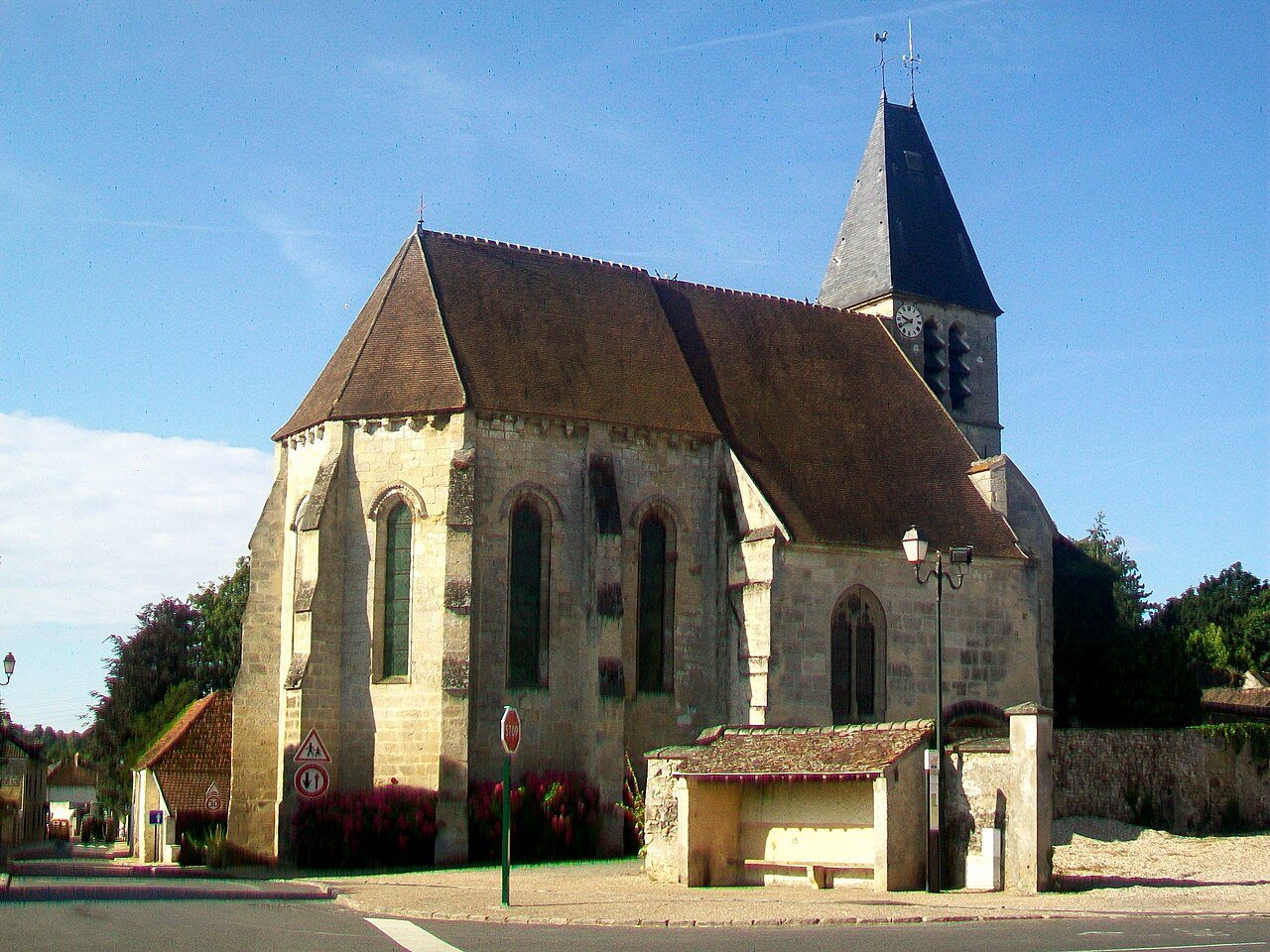
The church has no façade: you enter through the side portals.
Upcoming Masses
- Saturday 23 January, 6:00 pm
- Saturday 29 May, 6:00 pm
A church without a façade, with a remarkable chancel
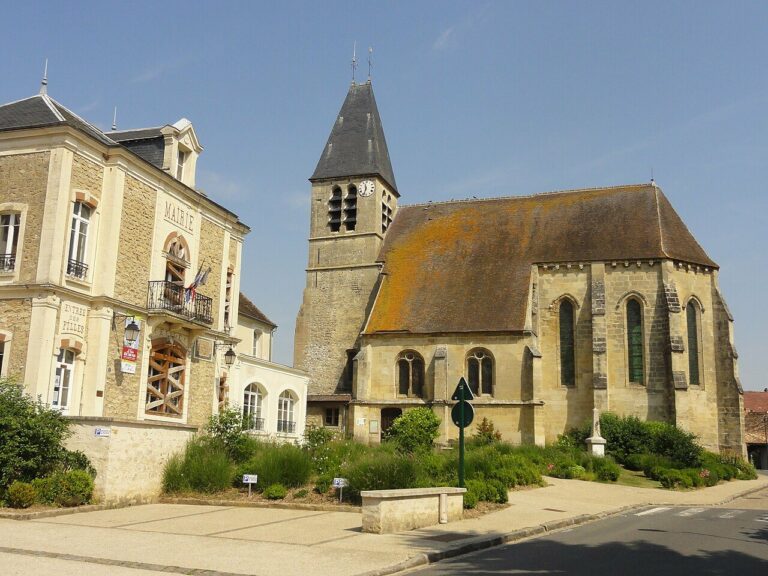
In the centre of Longuesse, Saint-Gildard Church presents its east end directly onto the Grande-Rue. Its history begins very early: as early as 918, King Charles the Simple gave the village chapel to the great Parisian abbey of Saint-Germain-des-Prés, whose abbot would appoint the parish priests until the Revolution.
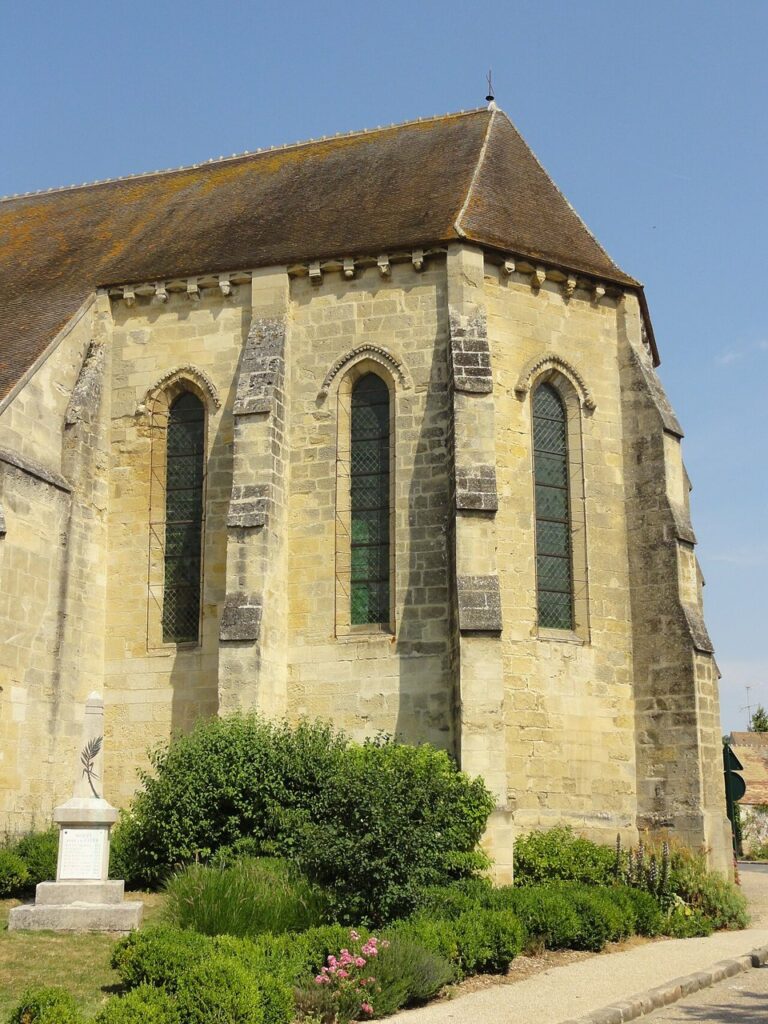
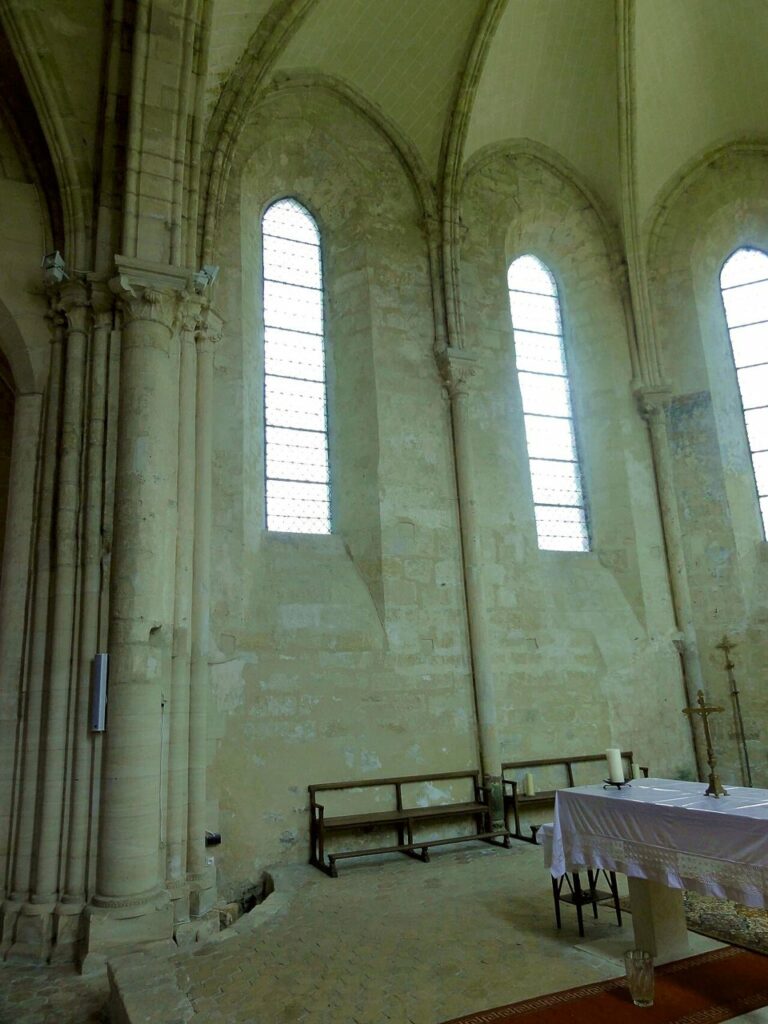
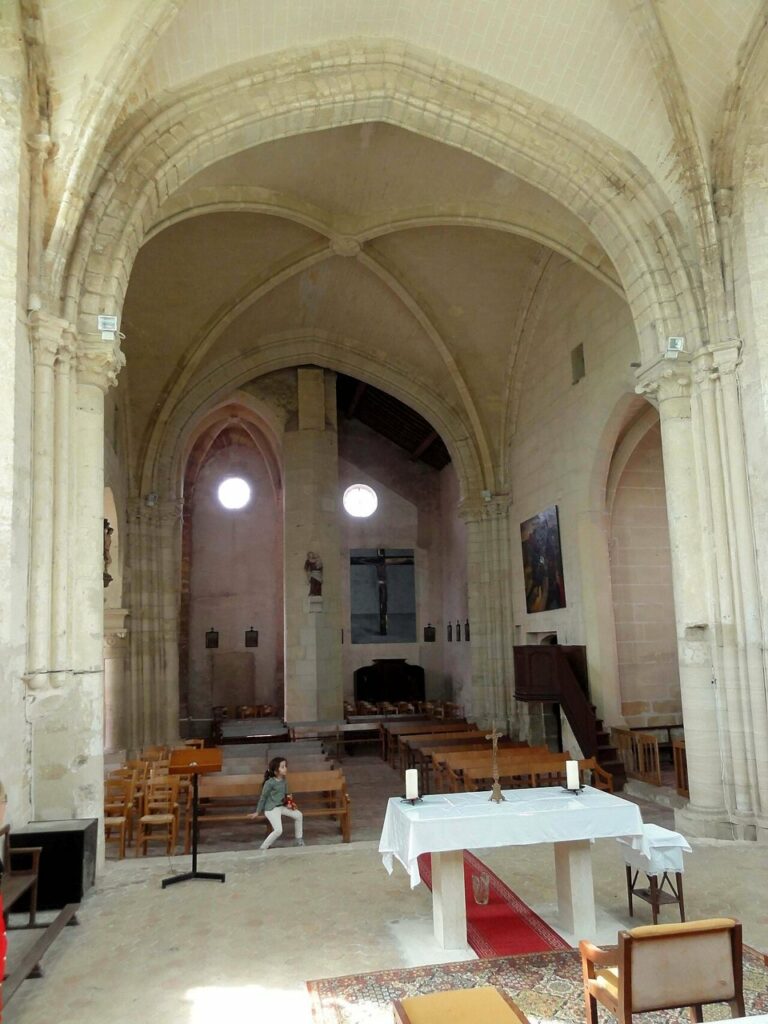
The present church has something unique about it: it looks unfinished. There is no façade, you enter from the sides, and the nave is reduced to a single bay beneath the bell tower; no one knows whether it was never completed or was partly destroyed during the Hundred Years' War. But its Gothic chancel, built around 1200, is remarkable, with its vault of ten ribs. In the 16th century two chapels were added: to the north, a Flamboyant chapel where a carved crouching canon lies hidden; to the south, a Renaissance chapel.
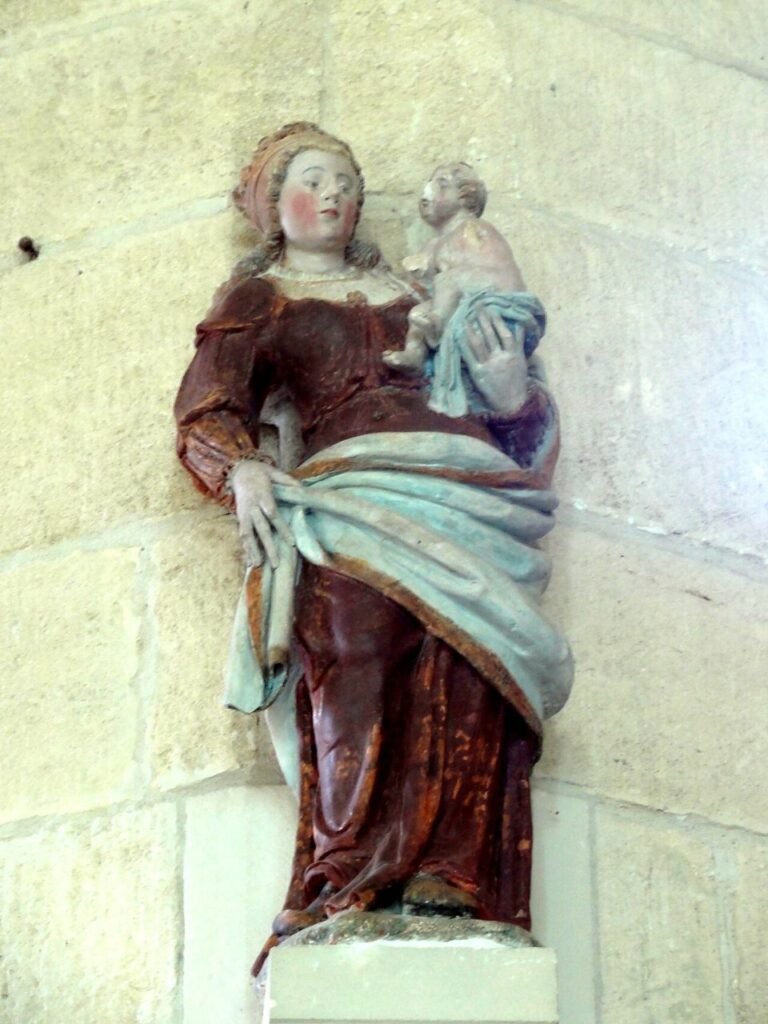
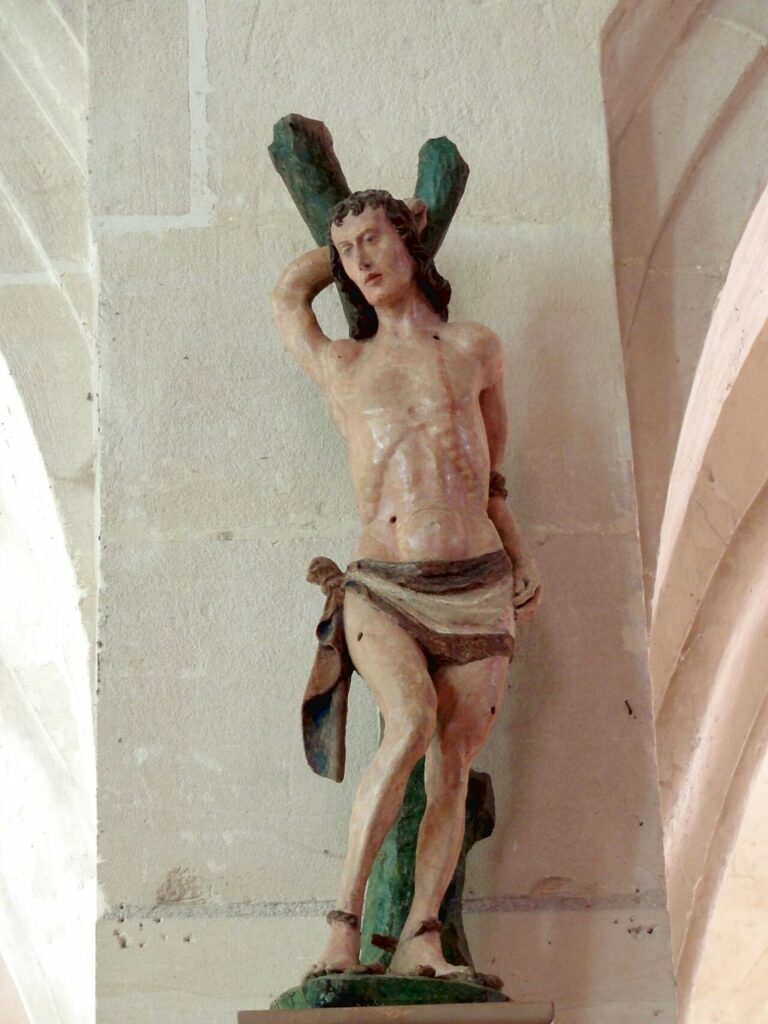
Listed as a historic monument since 1910, the church keeps two 16th-century stained-glass windows, including a large Saint Gildard as a bishop, two statues of the Virgin and Child, a Saint Sebastian, engraved tomb slabs and a bell of 1733. Saint Gildard was bishop of Rouen around the year 500; indeed, the Vexin came under the diocese of Rouen until the Revolution. He is celebrated on 8 June. The church is part of the parish of Avernes-Marines.
Saint Gildard, patron saint of the church
Gildard, also called Godard, was bishop of Rouen at the end of the 5th and the beginning of the 6th century. He is said to have attended the Council of Orléans in 511 and died in the first quarter of the 6th century. A late tradition makes him the twin brother of Saint Medard, bishop of Noyon, who is celebrated like him on 8 June. He was long the patron saint of the city of Rouen.
Key dates
- 918King Charles the Simple gives the chapel of Longuesse to the abbey of Saint-Germain-des-Prés
- 979–989The Archbishop of Rouen gives the church of Saint-Gildard back to Saint-Germain-des-Prés
- c. 1200Building of the Gothic chancel
- Mid-13th centuryThe church of Saint-Gildard has some fifty parishioners; the abbot of Saint-Germain-des-Prés presents the parish priest
- 16th centuryNorth (Flamboyant) and south (Renaissance) chapels, bell tower
- 1733Casting of the bell
- 1884A miller discovers two sarcophagi of the Frankish period near the mill
- 1910Listed as a historic monument
- 25 May 1917A cyclone tears off the roof of the bell tower and shatters the stained glass
- 1930sRestoration of the vaults
In pictures






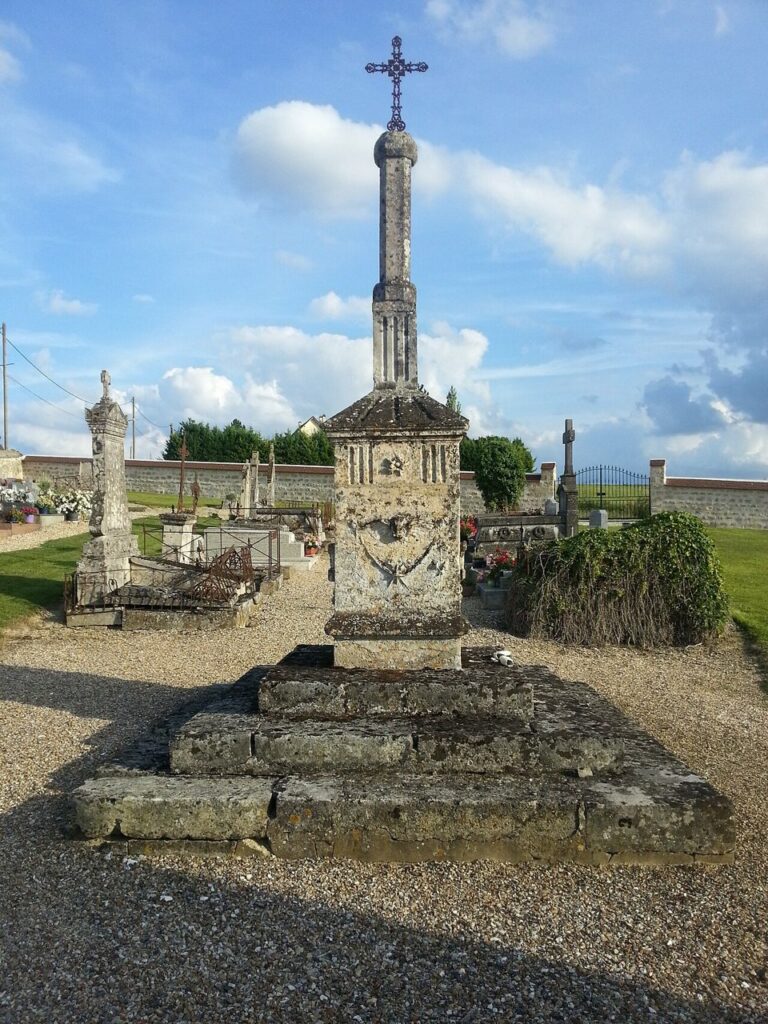

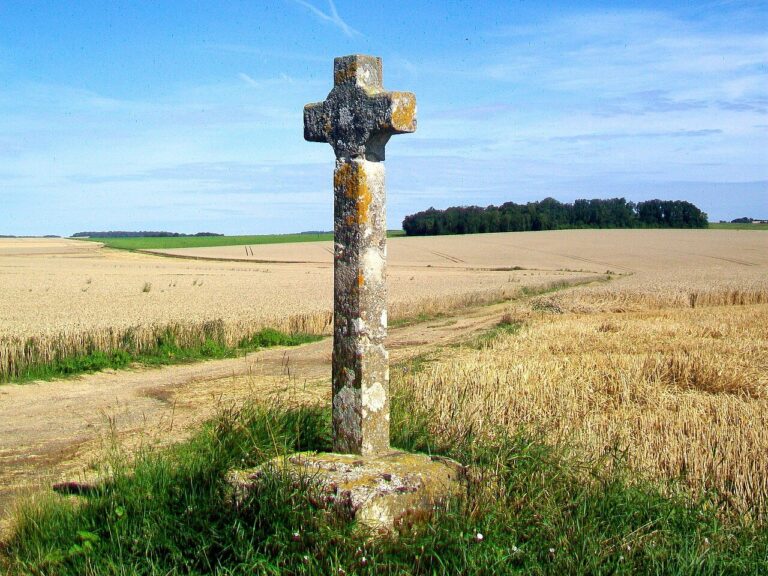

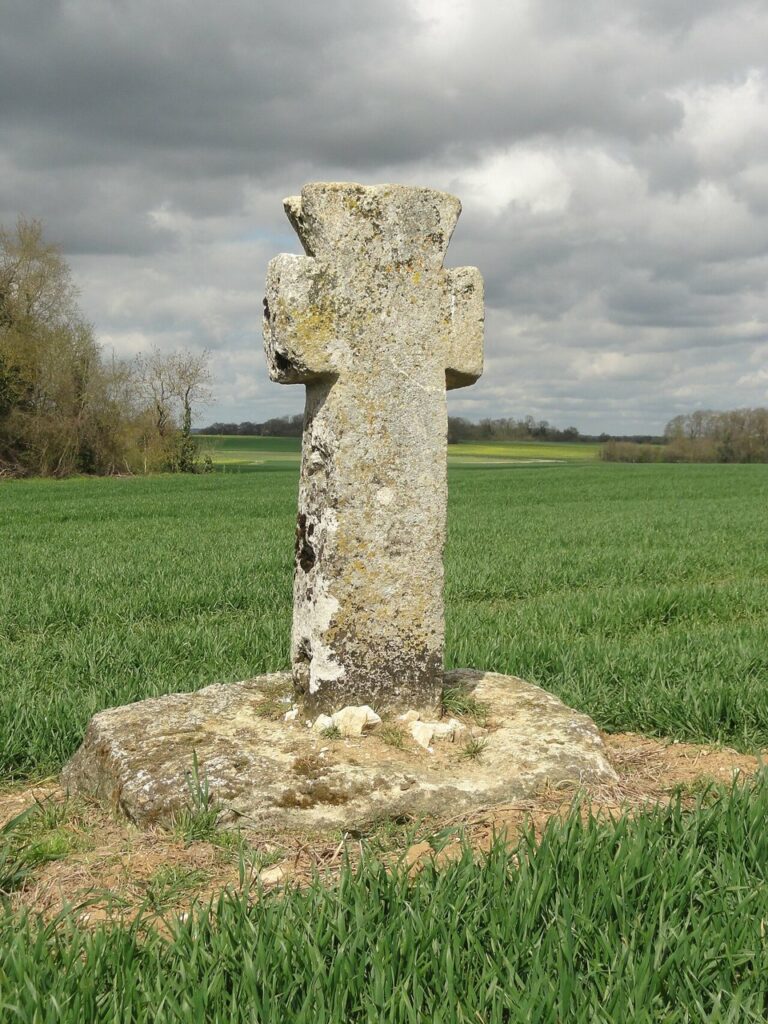

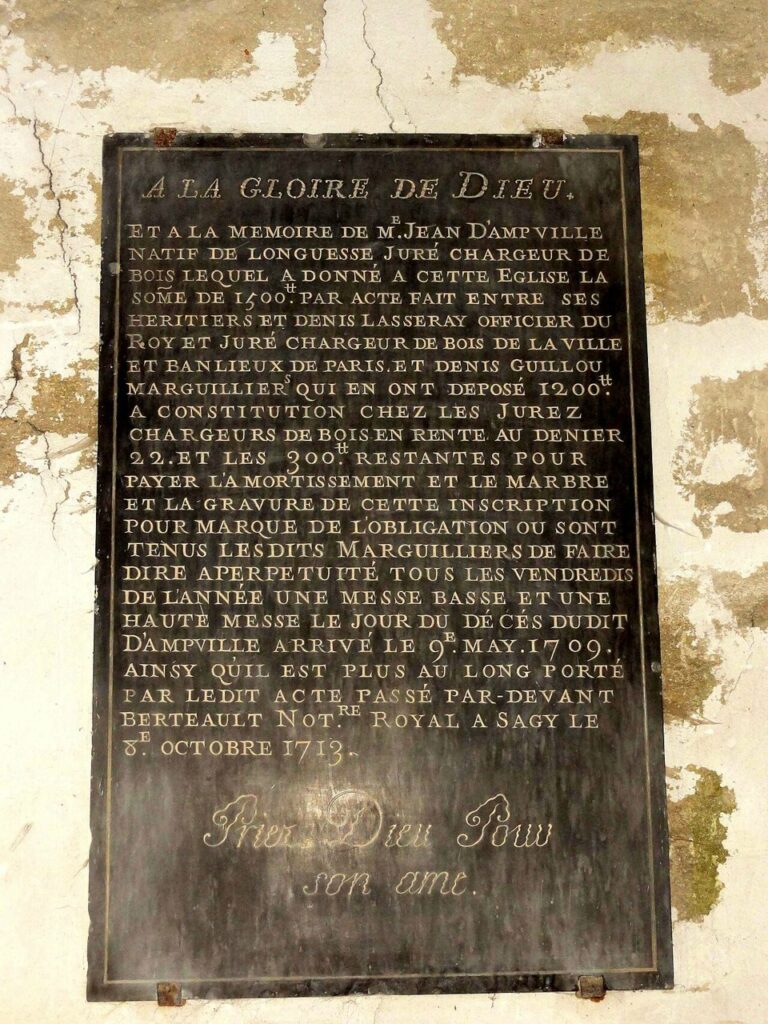







The church’s treasures
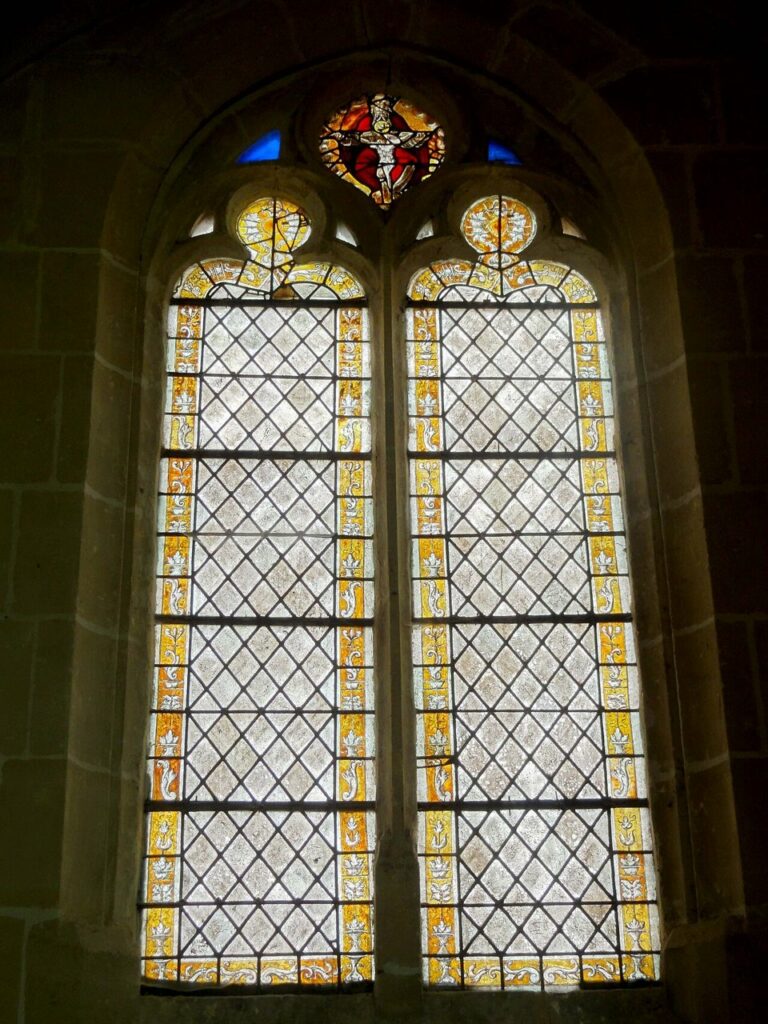
- Two Renaissance windows: The Suffering Trinity and Saint Gildard as a bishop, 16th century (listed)
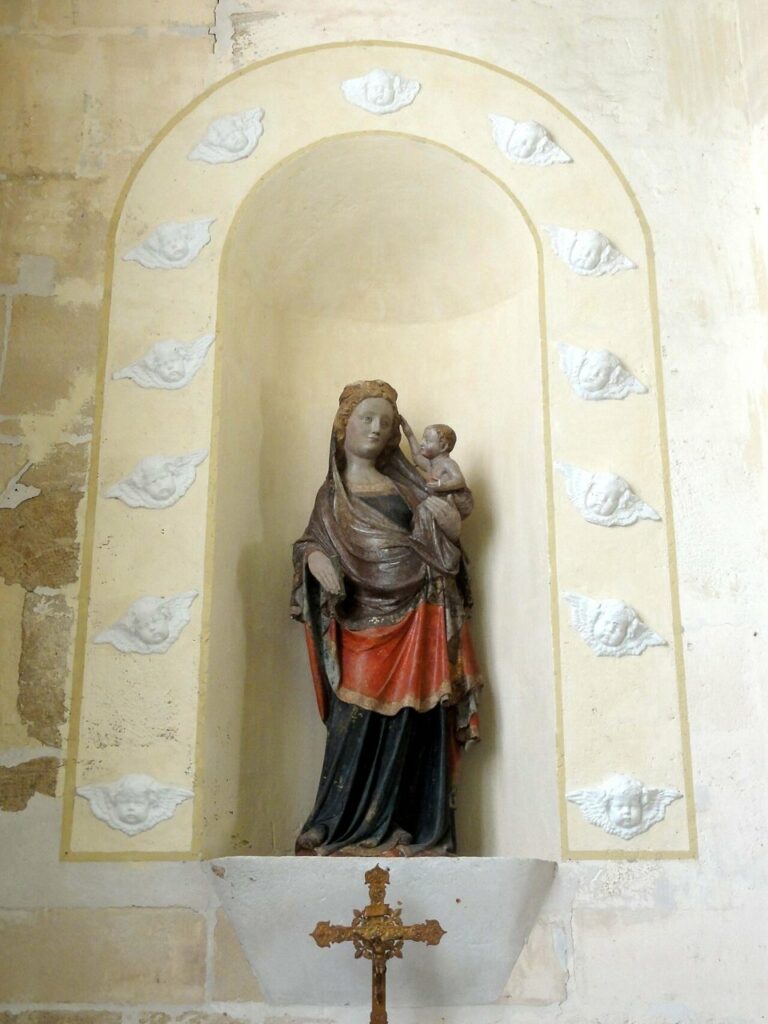
- Two statues of the Virgin and Child: Stone, 14th and 16th centuries (listed)
- Statue of Saint Sebastian: Wood, 18th century (listed)
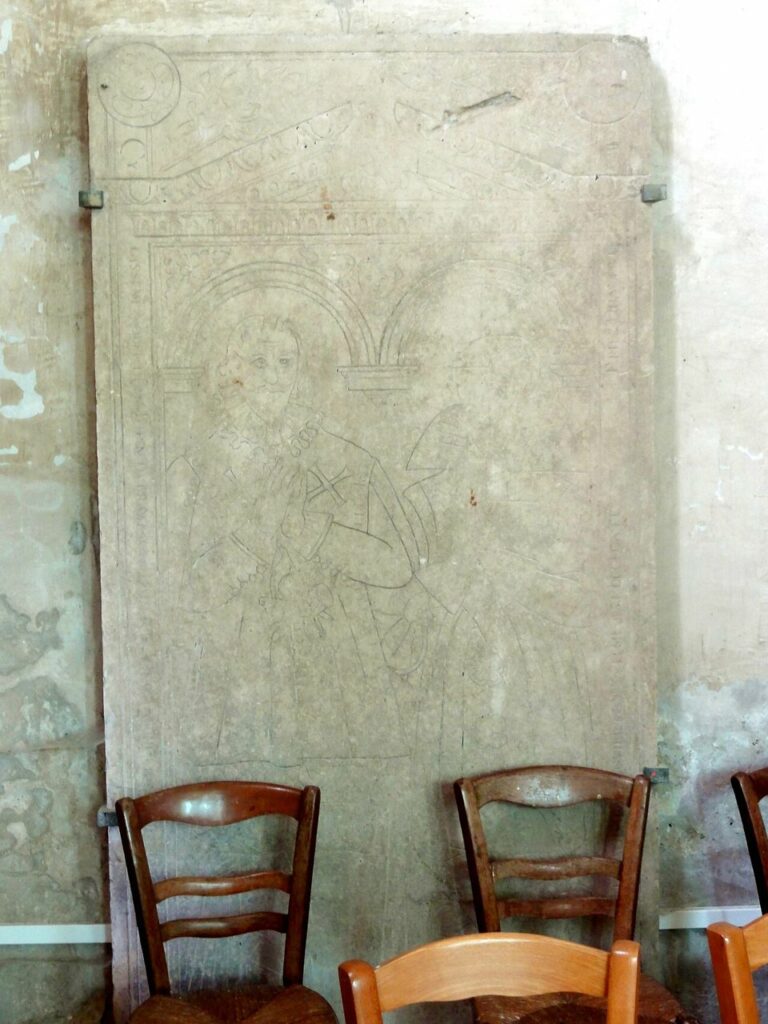
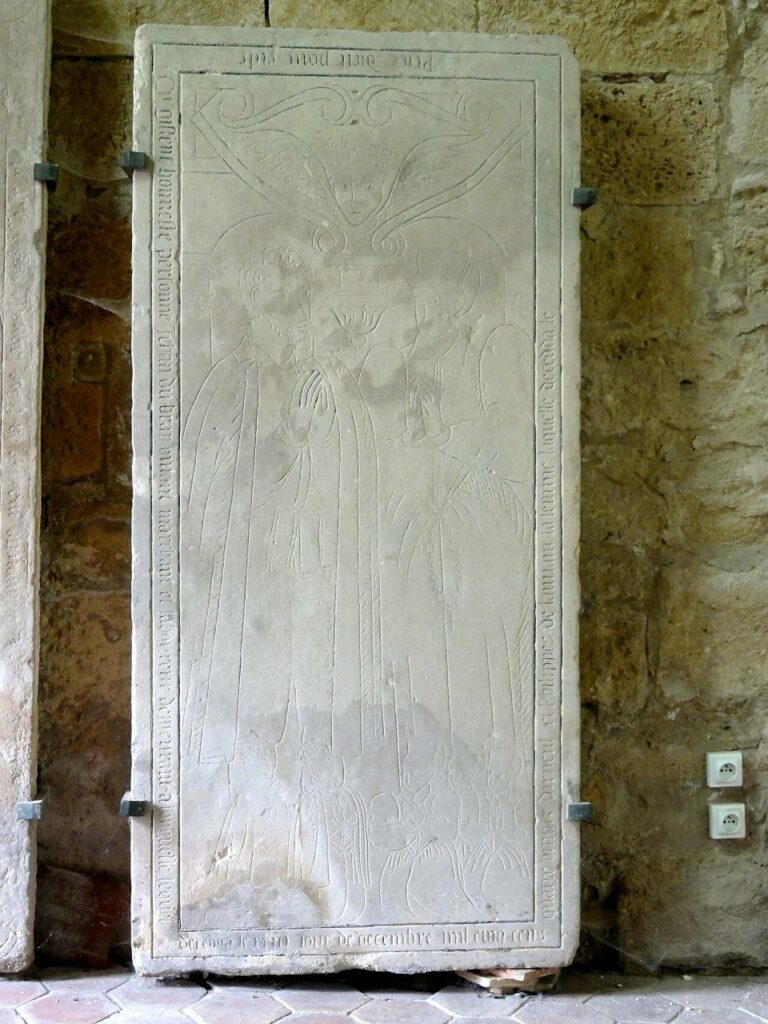
- Engraved tomb slabs: Late 16th – 17th century (listed)
- High altar and tabernacle-altarpiece: Decorated with the Last Supper, tabernacle of the late 17th century (registered)
- Bell: Bronze, 1733 (listed)
Find out more
Open a section to read the details.
Detailed history
- 979–989Hugues, Archbishop of Rouen, gives the place of worship back to the abbey, at the request of Abbot Galon; it is no longer called a chapel, but the church of Saint-Gildard.
- 1175Archbishop Rotrou confirms this gift.
- Mid-13th centuryThe register of parishes of the archdiocese of Rouen values the church at 20 livres parisis.
- 18th centuryPlans show, against the church, a porch that spanned the Grande-Rue.
- 1868–1870The churchyard, which surrounded the church, is moved to the place known as La Routure: the decision dates from 1868, the transfer from 1870.
- February 1884The two sarcophagi discovered near the mill, on the slope of the Chemin de Vigny, are each cut from a single block; one is 1.90 m long. They contained only bones.
- 31 May 1910The church is listed as a historic monument.
- 25 May 1917A cyclone tears off the roof of the bell tower and strips the other roofs; the architect Gabriel Ruprich-Robert photographs the damage.
- 1930sThe vaults are restored under the direction of the architect Jules Formigé.
- 1966The church joins the new diocese of Pontoise.
- 22 May 2022The parish holds its festival at Longuesse, with an open-air Mass.
Architecture
The nave is reduced to one bay, the southern half of which carries the bell tower. The large square bay that follows was probably meant to be the crossing of the transept: it is this bay that serves as the nave. Two chapels of two bays flank it.
The chancel, one bay deep, ends in a canted apse. Its vault of ten ribs is rare; it is likened to those of Avernes and Vétheuil. Outside, a cornice with modillions, small carved blocks, runs beneath the roof.
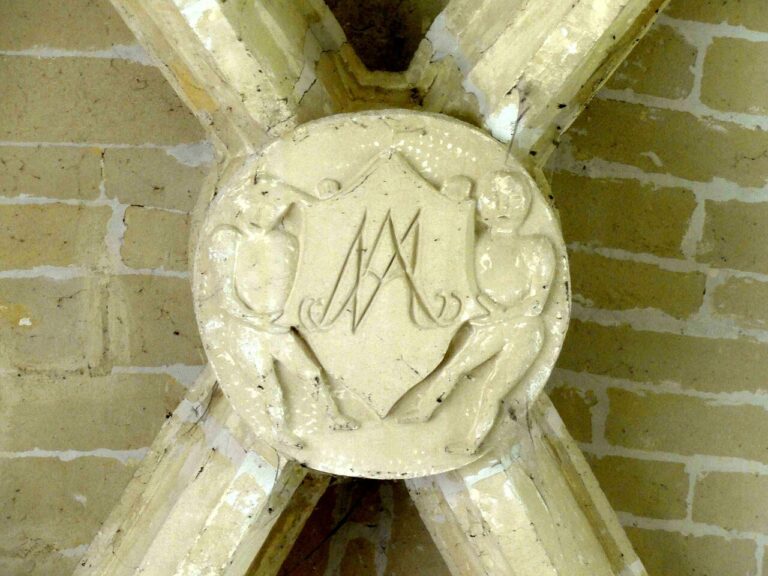
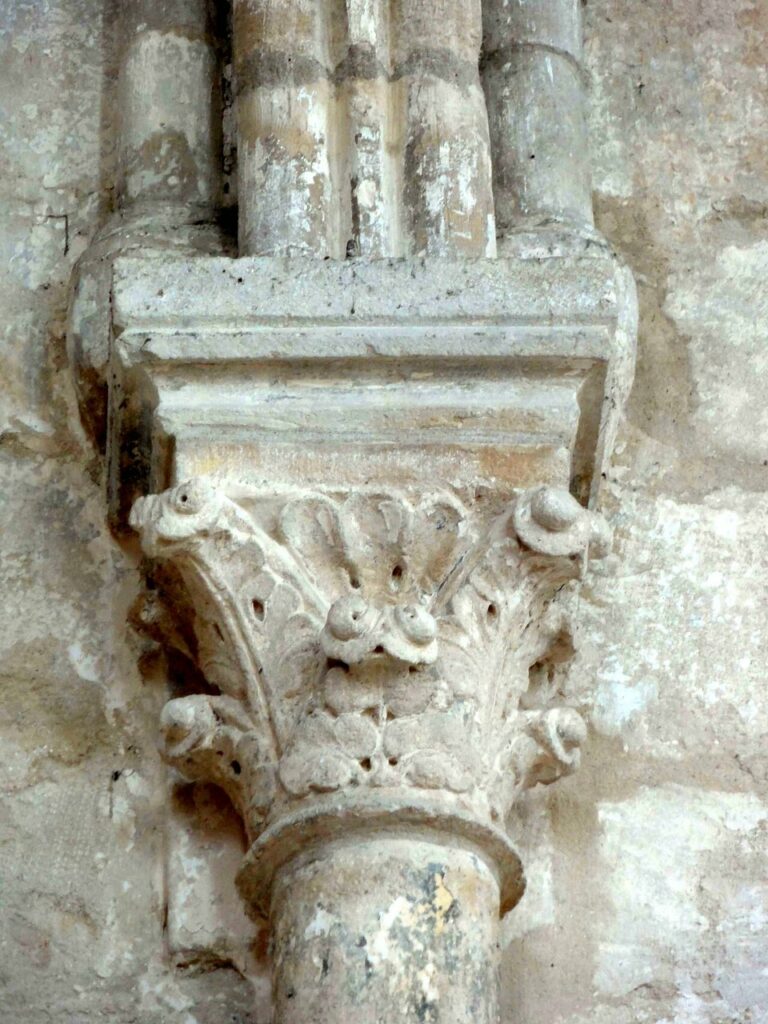
A few details deserve a look: a capital with human heads in the chancel, a keystone with the initials of Mary in the north chapel, Renaissance arcades adorned with cherubs on the south side. The bell tower, very plain, is covered by a two-sided pitched roof.
- c. 1200Chancel and crossing of the transept, in the early Gothic style.
- c. 1520–1530North chapel, in the Flamboyant Gothic style.
- 16th centuryRenaissance south chapel, bell tower and first bay of the nave.
- 18th centuryBarely visible repairs.
- 1930sRestoration of the vaults, after the cyclone of 1917.
Furnishings and works of art
- Virgin and ChildLate 14th century · listed in 1908A stone statue 1.20 m high. A study of 1980 cites it, with those of Gouzangrez and Montgeroult, as an example of a new taste for less slender figures.
- Virgin and ChildFirst quarter of the 16th century · listed in 1915A stone statue 75 cm high, set against a column of the nave.
- Saint Sebastian18th century · listed in 1963A wooden statue 97 cm high, restored in 2011; the missing arrows were not remade.
- Holy-water stoup15th century · listed in 1912In stone, polygonal in shape.
- Slab of Jehan Dubray and Madeleine Guibillon17th century · listed in 1908Jehan Dubray, lord of Les Bandes, died in 1628. The couple are engraved beneath two pedimented arches.
- Two other tomb slabsLate 16th century · listed in 1908One is that of Jean Dubray, merchant and ploughman, and his wife. The other shows a man and a woman; its inscription is almost worn away.
- High altar and tabernacle-altarpieceTabernacle of the late 17th century, altar of the 19th century · registered in 2012In oak, decorated with the Last Supper, cherubs and vine branches; an altarpiece typical of the Catholic Reformation.
- Three contemporary canvasesContemporary periodChrist on the Cross, the Descent from the Cross and the Entombment, by the same painter as the Stations of the Cross in the church of Marines.
Stained glass
The two 16th-century windows are the only old stained glass to survive; they have been listed since 1975. The Suffering Trinity, from the first quarter of the century, occupies the top of a window in the north chapel. The large Saint Gildard, from the middle of the century, is in the south chapel; it was partly completed during a restoration.
The other windows were shattered, notably by the cyclone of 1917.
Bells
The bronze bell of 1733 has been listed since 27 April 1944. In 1908, the historian Léon Plancouard already named it among the old bells of the canton.
The parish in earlier times
Under the Ancien Régime, the abbot of Saint-Germain-des-Prés chooses the parish priest, although the abbey has no priory on the spot. The parish belongs to the deanery of Meulan, within the archdiocese of Rouen.
Disputes often recur over the “portion congrue”, the minimum income that the abbey had to pay the parish priest.
Wayside crosses and local heritage
The base of the churchyard cross has been registered as a historic monument since 22 October 1937.
Religious life and traditions
The church is also a place of culture. An association for its promotion looks after its embellishment and restoration; it organises concerts, lectures and a May art show there, the sixteenth edition of which took place on 9 and 10 May 2026. The acoustics of the church are highly praised.
Every December, another association exhibits small-format works there. A guided visit was offered for the Heritage Days of 2023.
The village festivals, for their part, are not linked to the patron saint: a country fair at the end of June and a pumpkin festival in October.
Did you know?
When it was listed, the window of Saint Gildard was at first taken for a Saint Blaise.
In 1884, the miller who had found the two sarcophagi intended to reuse them as troughs.
According to a heritage atlas, this chancel, very large for a small village, displayed in the landscape the power of the abbey of Saint-Germain-des-Prés, a great landowner in Longuesse.
Further reading
Other photos and documents about this church can be found on other websites; we cannot reproduce them all here, but you can look at them there:
- Ministère de la Culture (POP): record and photos of the churchRecord of the church, listed in 1910, with 27 photos: collapsed timber frame of the bell tower, north porch and corbels, holy-water stoup, Renaissance funerary surround, statues.
- Ministère de la Culture (POP): protected object in the churchStatue of Saint Sebastian (18th century): 23 photos. 10 protected objects, including 16th-century tomb slabs, two stained-glass windows and a 14th-century Virgin.
- Wikimedia Commons: freely licensed photos of the churchAbout 45 freely licensed photos: view over the village, apse, bell tower; interior (ante-nave, chapels, nave, wall paintings in the chancel) and a plan of the church.
- Wikipedia: article on the churchDetailed article: history, description (interior, exterior) and furnishings of Saint-Gildard Church; some sixty illustrations and a bibliography.
- Amis du Vexin français: Longuesse entryThe association's entry: chapel given in 918 to Saint-Germain-des-Prés, 12th-century church altered in the 16th, Renaissance porch and cemetery cross.
Sources for this page
- Base Mérimée, notice PA00080104 « Église » (Longuesse) — link
- Base Mérimée, notice PA00080103 « Croix de cimetière » — link
- Base Palissy, PM95000377 à PM95000385 et PM95001307 (export officiel POP) — link
- Wikipédia, « Église Saint-Gildard de Longuesse » — link
- D. Anger, Les dépendances de l'abbaye de Saint-Germain-des-Prés, t. 2, 1907, p. 175-185 (Gallica) — link
- V.-J. Gautier, Pouillé du diocèse de Versailles, 1876 (Gallica) — link
- L. Plancouard, « La cloche de Marines (Seine-et-Oise) », Bulletin monumental — link
- Parc naturel régional du Vexin français / commune de Longuesse, Atlas du patrimoine bâti de Longuesse — link
- Agenda Google de la paroisse (export ICS), dimanche 22 mai 2022 : « Longuesse, fête paroissiale, messe en extérieur (10 h 30) »
- A. Joanne, Géographie du département de Seine-et-Oise, Paris, Hachette, 1881, dictionnaire des communes, art. « Longuesse » (p. 53-54) — link
- G. Tubeuf et A. Mairé, Domaine de Vigny (Seine-et-Oise). Monographie du château et de l'église, Paris, 1902, chap. I et VI — link
- C. Tavet, « Rapport sommaire sur des sépultures trouvées à Longuesse, canton de Marines », Mémoires de la Société historique et archéologique de Pontoise et du Vexin, t. VIII, 1885, p. XXIII-XXV — link
- « Paris, Prague, Cologne et la sculpture de la seconde moitié du XIVe siècle », Bulletin monumental, t. 138-2, 1980, p. 173-219 (p. 195-196) — link
- Polyptychum Rotomagensis diœcesis (pouillé dit d'Eudes Rigaud, milieu du XIIIe s.), dans Recueil des historiens des Gaules et de la France, t. XXIII, 1876, doyenné de Meulan — link
- A. Longnon, Pouillés de la province de Rouen, Paris, 1903, pouillé de 1337, doyenné de Meulan (p. 61-63) et index — link
- Commune de Longuesse, Bulletin municipal n° 65 (juillet 2025) — link
- Commune de Longuesse, Bulletin municipal n° 66 (janvier 2026) — link
- Commune de Longuesse, Bulletin municipal n° 67 (juillet 2026) — link
- Région Île-de-France, « Restauration et création des vitraux de l'église Saint-Gildard » (Longuesse, voté en 2016) — link
- OpenAgenda, Journées européennes du patrimoine 2023 Île-de-France, « Visite commentée de l'église Saint-Gildard de Longuesse » — link
Page compiled from the databases of the French Ministry of Culture and the Inventaire du patrimoine, and from documents of the parish, the diocese and the commune; checked in November 2026. An error, a memory, a photo to share? Contribute.
Have you noticed an error, would you like to add further information, or share photos you have taken of this church? Our team would be grateful if you let us know: contribute to this page (form in French).