
Saturday 7 August 2027, the Church celebrates
Saint Sixtus II, Pope, and Companions, Martyrs; Saint Cajetan, Priest
Saturday 7 August 2027 · Saturday of the 18th week in Ordinary Time · Optional memorial · liturgical colour: green
Saint Sixtus II, Pope, and Companions, Martyrs
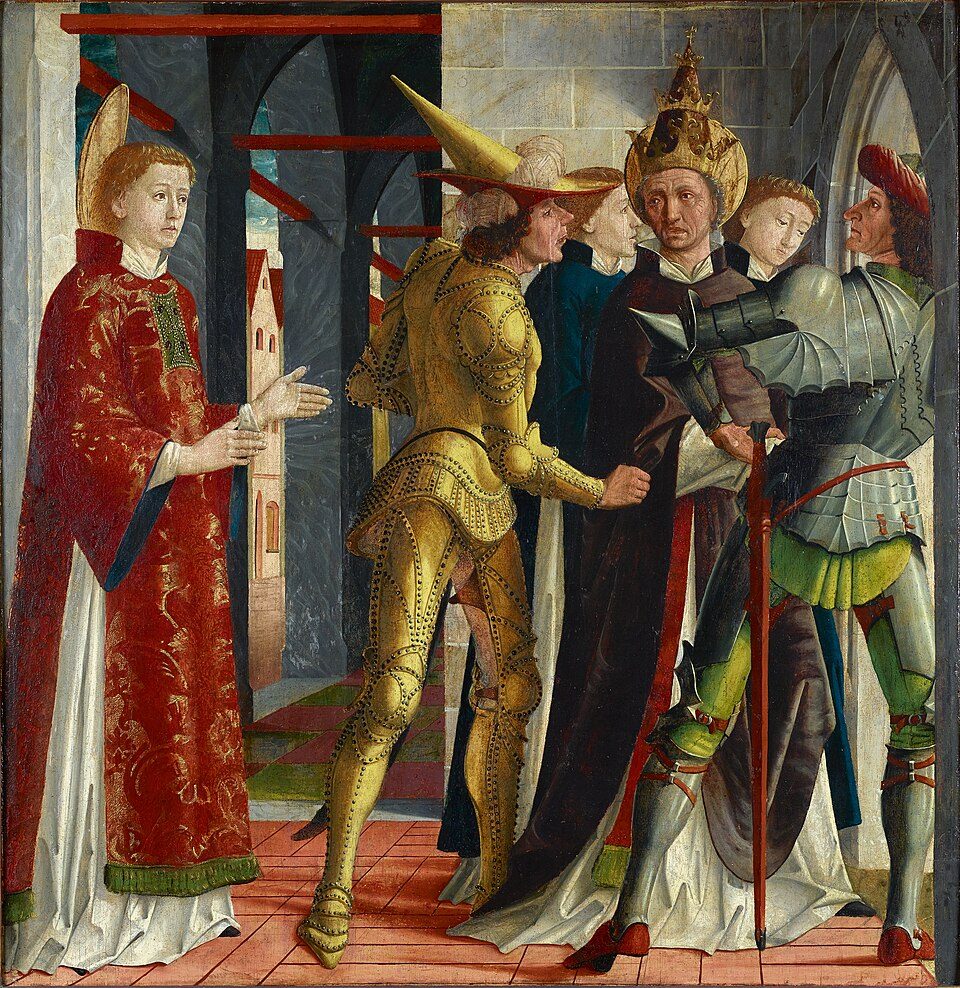

In the 3rd century, the pontificate of Sixtus II lasts less than a year. In 258, during the persecution of the Emperor Valerian, soldiers arrest him while he is celebrating and teaching his brethren in the cemetery of Callistus, in Rome; he is put to death with four deacons. On the same day, two other deacons, Agapitus and Felicissimus, are martyred in their turn. A few days later, his deacon Lawrence, who is celebrated on 10 August, follows him in martyrdom.
Sixtus II succeeds Pope Stephen I in 257. The Church is then divided over how to receive those returning from heresy and over the validity of the baptism they had received, to the point that Rome almost broke with the Churches of Africa and Asia. The biographer of Saint Cyprian of Carthage describes him as a “good and peaceable priest”, intent on calming this conflict.
A first edict of the Emperor Valerian already forbids Christians to gather in the cemeteries. On 6 August 258, under a new imperial order, Sixtus is surprised by the soldiers and beheaded on the spot. He is buried with his companions in the cemetery of Callistus, in the Crypt of the Popes, while Agapitus and Felicissimus are buried in the cemetery of Praetextatus.
The memory of these martyrs has remained very much alive in Rome. The name of Sixtus appears in the great Eucharistic Prayer of the Roman Canon. The Church celebrates him on 7 August, the day after their death, as 6 August is the feast of the Transfiguration of the Lord.
- Further reading: The Crypt of the Popes, in the Catacombs of Saint Callistus on the Appian Way in Rome, keeps the memory of his martyrdom and burial.
Happy feast day to all named Sixtus, Sixtine, Felicissimus!
Sources: Nominis (Conférence des évêques de France) – Saints Sixte II, pape, et ses diacres · Vatican News – Saint du jour · Catholic Encyclopedia (New Advent) — Pope St. Sixtus II · Diocèse de Cambrai — Prière eucharistique I (Canon romain) · Wikipedia — Sixte II (piste)
Saint Cajetan, Priest
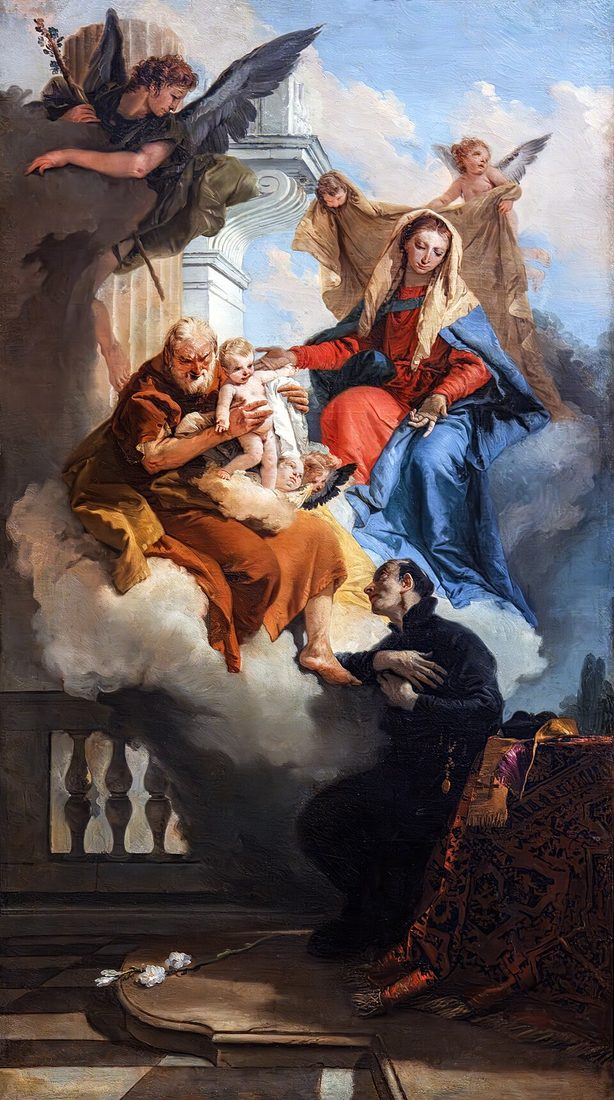

Cajetan of Thiene, a nobleman from Vicenza, in Italy, lives at the time of the Protestant Reformation. Having become a priest, he gives himself to works of charity, especially among the incurably sick and the poor. For the reform of the Church, he founds with a few companions, among them the future Pope Paul IV, a society of priests living in poverty after the manner of the Apostles: the Theatines. He dies in Naples in 1547.
Born in Vicenza in 1480, Cajetan studies law in Padua. He then works for several years at the papal court, under Popes Julius II and Leo X, where he realises how much the Church needs reform. He is not ordained priest until 1516, at the age of thirty-six. Back in Vicenza on the death of his mother, he gives his inheritance to the poor and founds a hospital for the incurably sick; he visits the slums and serves in the hospitals himself. With Gian Pietro Carafa, Bishop of Chieti, in Latin Theate, he founds the Clerics Regular who will be called the Theatines.
The Theatines undertake to live in poverty without begging, to care for the sick and to foster the sacramental life of the faithful. Cajetan dies in Naples in 1547; he is canonised in 1671. In Argentina, he is venerated as the saint “of bread and work”.
- Patron of: In Argentina, he is venerated as the patron saint “of bread and work” and of workers.
- Further reading: In Naples, the Basilica of San Paolo Maggiore was entrusted in 1538 to Cajetan and the Theatines.
Happy feast day to all named Cajetan, Gaétane!
Sources: Nominis (Conférence des évêques de France) – Saint Gaétan de Thiene · Vatican News – Saint du jour · Wikipedia : Gaétan de Thiene · Catholic Encyclopedia (1908) · FAI – I Luoghi del Cuore
Today's Gospel (Mt 17:14-20)
“if you have faith as a grain of mustard seed”
Even the tiniest faith can move mountains. Saint Sixtus and his deacons lived it even unto martyrdom, and Saint Cajetan in the service of the sick.
Read all of the day's readings on aelf.org (in French)
Liturgical calendar: AELF; Gospel quotations: World English Bible (public domain)
Key
feast of one of our parish churches · today
- green: Ordinary Time
- purple: Advent and Lent
- white: Christmas, Easter, feasts of the Lord, of the Virgin Mary and of the saints
- red: the Passion, Pentecost, apostles and martyrs
- rose (optional): 3rd Sunday of Advent and 4th Sunday of Lent